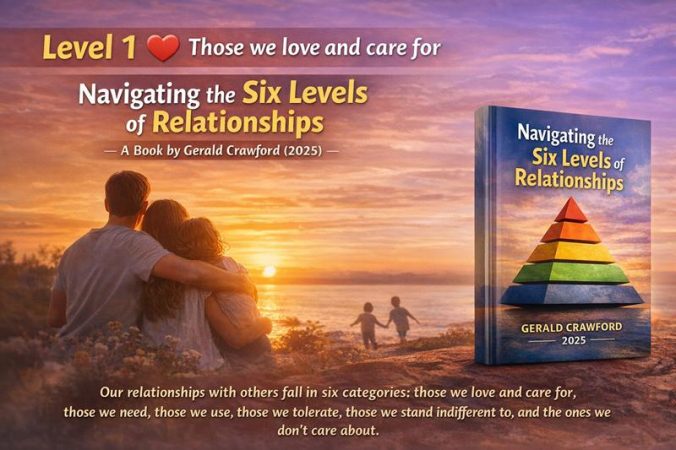
Let’s dive deeper into the concept of “Those We Love and Care For” and explore how to identify which level a relationship falls into.
Those We Love and Care For
This category refers to relationships where you feel a strong emotional connection, deep affection, and a sense of responsibility towards the other person. These relationships are typically characterized by a strong desire to nurture, support, and prioritize the well-being of the other person.
Characteristics of relationships in this category:
* You feel a strong emotional bond with the person, which may be accompanied by feelings of warmth, tenderness, and affection.
* You prioritize the person’s needs and well-being, often putting their interests ahead of your own.
* You feel a sense of responsibility towards the person, which may include a willingness to make sacrifices or take on additional responsibilities to support them.
* You invest significant emotional energy in the relationship, which may include sharing personal thoughts and feelings, listening actively, and showing empathy and understanding.
To identify if a relationship falls into this category, ask yourself:
* Do I feel a strong emotional connection with this person, which goes beyond a casual friendship or acquaintance?
* Do I prioritize this person’s needs and well-being, often putting their interests ahead of my own?
* Do I feel a sense of responsibility towards this person, which includes a willingness to make sacrifices or take on additional responsibilities to support them?
* Do I invest significant emotional energy in the relationship, which includes sharing personal thoughts and feelings, listening actively, and showing empathy and understanding?
Identifying the Level of a Relationship
To determine which level a relationship falls into, consider the following steps:
1. Reflect on your emotions: Think about how you feel when interacting with the person, including any positive emotions such as love, affection, or warmth.
2. Assess your priorities: Consider how you prioritize the person’s needs and well-being, including your willingness to make sacrifices or take on additional responsibilities to support them.
3. Evaluate your investment: Think about how much emotional energy you invest in the relationship, including your willingness to share personal thoughts and feelings, listen actively, and show empathy and understanding.
4. Consider the relationship dynamics: Take into account the dynamics of the relationship, including the level of intimacy, trust, and communication.
By reflecting on these factors, you can gain insight into the level of a relationship and determine which category it falls into. Remember that relationships can evolve over time, and it’s essential to be open to adjusting your approach as circumstances change.
Now, let’s consider an example to illustrate how to apply this framework. Imagine you have a close friend, Sarah, with whom you have a deep and meaningful relationship. You feel a strong emotional connection with Sarah, and you prioritize her needs and well-being. You invest significant emotional energy in the relationship, which includes sharing personal thoughts and feelings, listening actively, and showing empathy and understanding.
In this case, you might conclude that your relationship with Sarah falls into the category of “Those We Love and Care For.” You feel a strong emotional connection with Sarah, prioritize her needs and well-being, and invest significant emotional energy in the relationship.


Recent Comments